
-
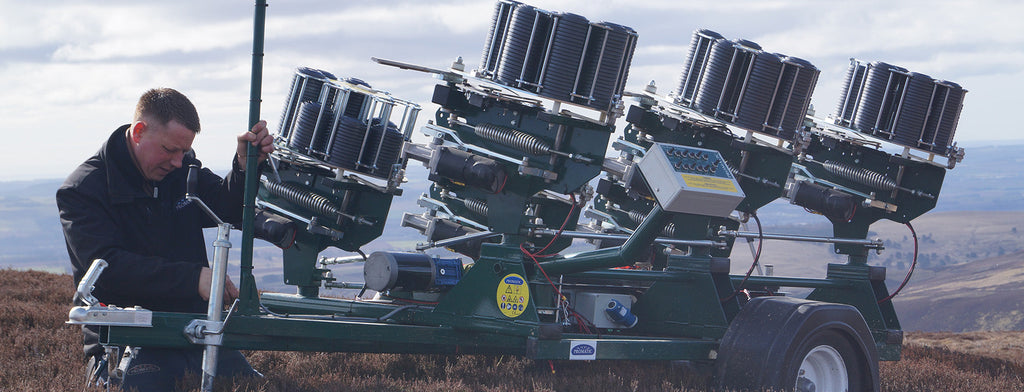
Common Clay Trap Faults and How to Prevent Them
Clay traps are designed to work under repeated mechanical stress, often in outdoor environments where weather, dust, debris and heavy usage all affect performance. Even reliable equipment can develop faults if it is poorly maintained, incorrectly installed or used beyond its intended operating conditions. For clay shooting grounds, clubs, estates and private users, understanding common clay trap faults is essential. A small issue such... -
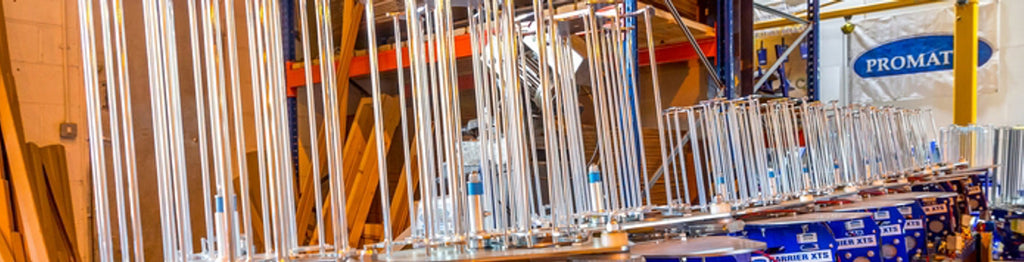
Automatic vs Manual Clay Traps: Which Is Right for Your Setup?
Automatic vs Manual Clay Traps: UK Buyer Guide Choosing between an automatic and a manual clay trap is not simply a question of budget. It is a decision that affects the type of shooting you can offer, the number of people who can use the setup comfortably, the level of staff or volunteer involvement required, and the long-term reliability of the operation. For a... -
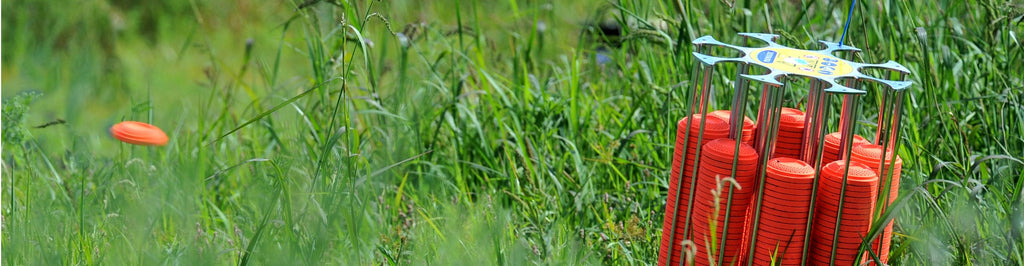
Seasonal Maintenance Guide for Clay Pigeon Traps - UK Shooting Grounds
Clay pigeon traps operate in demanding outdoor environments throughout the year. Rain, mud, dust, fluctuating temperatures, and repeated mechanical stress all affect long-term reliability and performance. Without regular maintenance, even well-engineered traps can develop faults that disrupt shooting operations and increase long-term costs. For shooting grounds, estates, clubs, and commercial operators, preventative maintenance is essential for ensuring reliable target presentation, reducing downtime, and maintaining... -
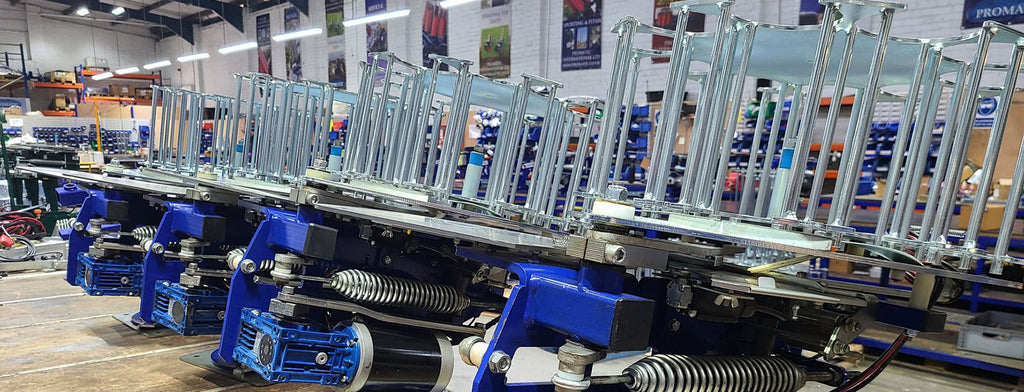
Lifecycle of a Clay Trap: Installation, Maintenance & Replacement
A clay trap is not simply a piece of shooting equipment — it is a long-term operational asset that plays a central role in the safety, reliability, and performance of a shooting ground or estate. From the moment a trap is installed, it enters a lifecycle that includes setup, daily operation, maintenance, servicing, performance monitoring, and eventually replacement. Understanding this lifecycle helps operators make... -
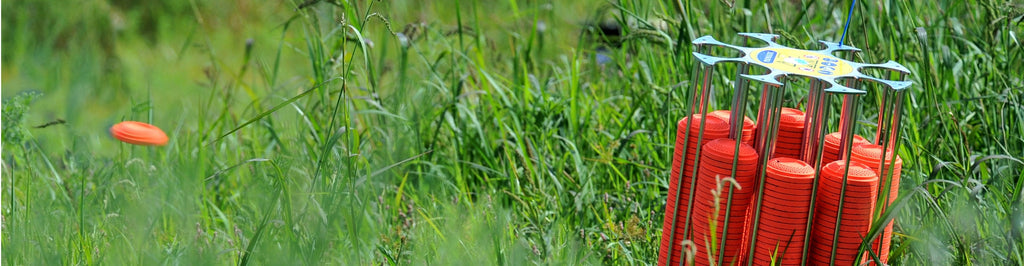
How to Choose the Right Clay Pigeon Trap for Your Shooting Needs
Choosing the right clay pigeon trap is one of the most important decisions for any shooting ground, estate, club, or private setup. The type of trap you select directly affects shooting quality, safety, maintenance requirements, and long-term costs. While many traps may appear similar at first glance, there are significant differences in performance, reliability, capacity, and suitability for different shooting disciplines. Selecting the wrong...
